
Specialist Geochemical Laboratory
Better
Environmental
Outcomes
Specialist Geochemical Laboratory
LABORATORY
EGi's laboratory is a recognised leader in ARD testing, utilising proprietary methods and techniques developed in-house. We tailor testing programs to meet the specific needs of each client, ensuring high-quality results that inform effective management strategies.
EGi's laboratory is a recognised leader in ARD testing, utilising proprietary methods and techniques developed in-house. We tailor testing programs to meet the specific needs of each client, ensuring high-quality results that inform effective management strategies.
EGi's laboratory is a recognised leader in ARD testing, utilising proprietary methods and techniques developed in-house. We tailor testing programs to meet the specific needs of each client, ensuring high-quality results that inform effective management strategies.

EGi’s suite of chemical and characterisation tests provide representative complex geochemical interactions and processes. EGi’s approach to site and laboratory testing and expert interpretation is key to providing reliable and meaningful results.
EGi’s suite of chemical and characterisation tests provide representative complex geochemical interactions and processes. EGi’s approach to site and laboratory testing and expert interpretation is key to providing reliable and meaningful results.
EGi’s suite of chemical and characterisation tests provide representative complex geochemical interactions and processes. EGi’s approach to site and laboratory testing and expert interpretation is key to providing reliable and meaningful results.

To classify acid forming potential, EGi utilise net acid producing potential (NAPP, or acid base account – ABA) and net acid generation (NAG) test results as initial screening tools. Utilising both independent measures significantly reduces the risk of prediction errors and better defines the ARD characteristics of samples. Additional specialised static tests are used to help resolve uncertainties in classification.
EGi’s proprietary techniques and test procedures have been developed to classify mine materials according to acid forming potential, risk of metal leaching, salinity, and possible toxicity due to metals, cyanide and other chemicals.
Kinetic test procedures, such as leach columns, involve a number of measurements over time and are used to assess a range of ARD/NMD issues including sulphide reactivity, oxidation kinetics, metal solubility and the leaching behaviour of test materials.
To classify acid forming potential, EGi utilise net acid producing potential (NAPP, or acid base account – ABA) and net acid generation (NAG) test results as initial screening tools. Utilising both independent measures significantly reduces the risk of prediction errors and better defines the ARD characteristics of samples. Additional specialised static tests are used to help resolve uncertainties in classification.
EGi’s proprietary techniques and test procedures have been developed to classify mine materials according to acid forming potential, risk of metal leaching, salinity, and possible toxicity due to metals, cyanide and other chemicals.
Kinetic test procedures, such as leach columns, involve a number of measurements over time and are used to assess a range of ARD/NMD issues including sulphide reactivity, oxidation kinetics, metal solubility and the leaching behaviour of test materials.
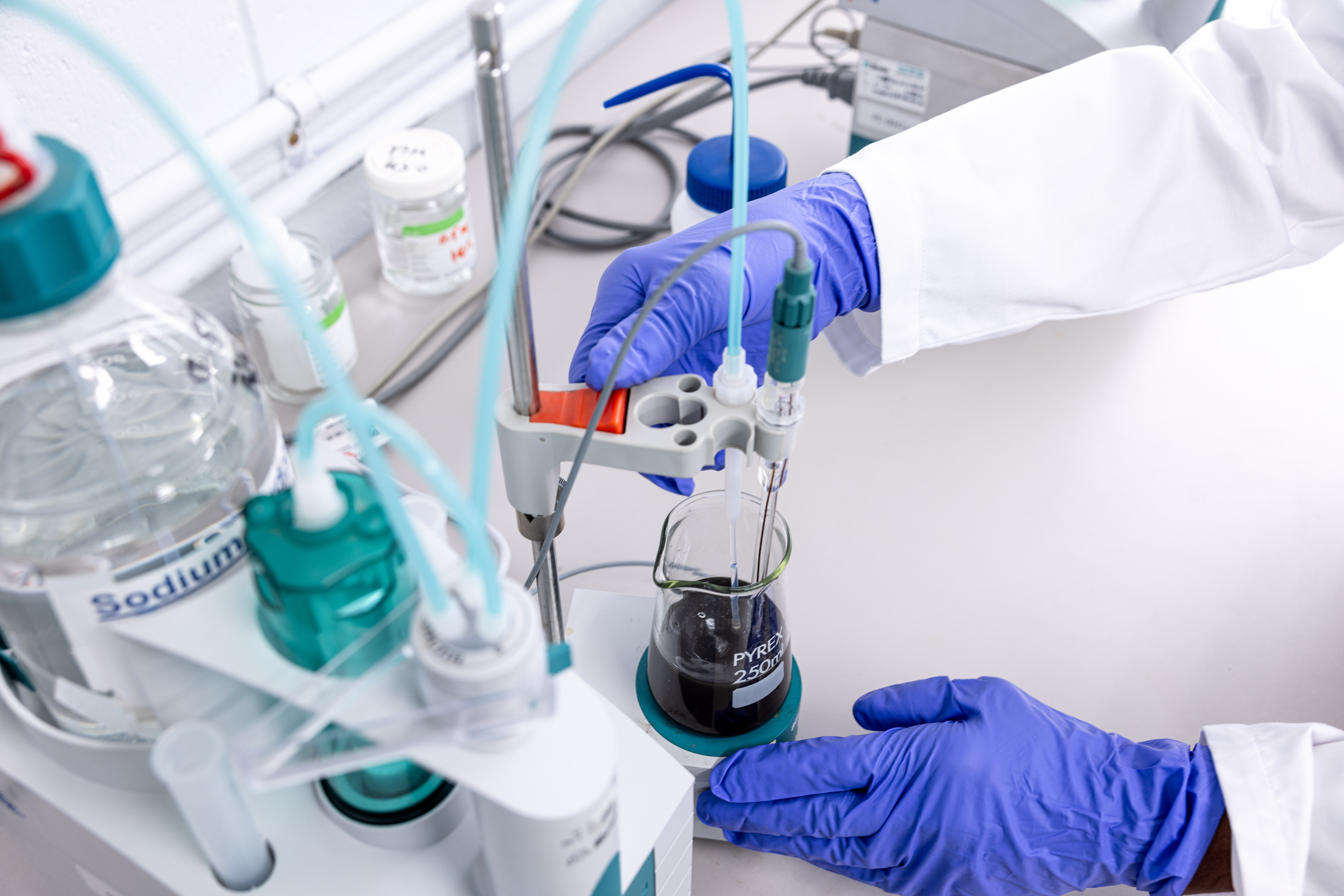
To classify acid forming potential, EGi utilise net acid producing potential (NAPP, or acid base account – ABA) and net acid generation (NAG) test results as initial screening tools. Utilising both independent measures significantly reduces the risk of prediction errors and better defines the ARD characteristics of samples. Additional specialised static tests are used to help resolve uncertainties in classification.
EGi’s proprietary techniques and test procedures have been developed to classify mine materials according to acid forming potential, risk of metal leaching, salinity, and possible toxicity due to metals, cyanide and other chemicals.
Kinetic test procedures, such as leach columns, involve a number of measurements over time and are used to assess a range of ARD/NMD issues including sulphide reactivity, oxidation kinetics, metal solubility and the leaching behaviour of test materials.
To classify acid forming potential, EGi utilise net acid producing potential (NAPP, or acid base account – ABA) and net acid generation (NAG) test results as initial screening tools. Utilising both independent measures significantly reduces the risk of prediction errors and better defines the ARD characteristics of samples. Additional specialised static tests are used to help resolve uncertainties in classification.
EGi’s proprietary techniques and test procedures have been developed to classify mine materials according to acid forming potential, risk of metal leaching, salinity, and possible toxicity due to metals, cyanide and other chemicals.
Kinetic test procedures, such as leach columns, involve a number of measurements over time and are used to assess a range of ARD/NMD issues including sulphide reactivity, oxidation kinetics, metal solubility and the leaching behaviour of test materials.
Click here to view EGi laboratory's CRMS
Click here to view EGi laboratory's CRMS
Click here to view EGi laboratory's CRMS
LABORATORY

CONTACT US
Get in touch
Get in touch
Get in touch
Adelaide
Adelaide
T: +61 2 9810 8100
Key Contact: Dr Russell Schumann
T: +61 2 9810 8100
Key Contact: Dr Russell Schumann
Our vision: Be a principal leader improving environmental outcomes for our planet.
Our vision: Be a principal leader improving environmental outcomes for our planet.