


By Andrew Botfield
For many years, the working assumption across much of the Goldfields and Pilbara regions of Western Australia was that AMD/ARD isn't a real concern because it's arid, and AMD needs water to occur.
However, more than enough water is present in every region of WA to cause adverse AMD effects. Rainfall may be outpaced by evaporation, particularly in summer, but throughout the monsoon season it can be significant, as it has been this spring. Between rain episodes, sulphide content keeps oxidising and storing AMD up to be flushed to the watershed during the next rainfall event.
Every TSF in that arid environment maintains a hydraulic head of saline and/or metalliferous water during operation, which may persist after closure if an appropriate cover system has not been installed.
Although the performance of a waste rock dump encapsulating PAF is difficult to monitor, regular toe inspections for AMD seepage indicators, such as orange-brown iron hydroxide or yellow jarosite precipitates, can be as valuable as a groundwater monitoring bore. These inspections are particularly useful within an overarching AMD management plan documenting PAF storage, handling and placement, and the location of inspection records.
Arid doesn't mean no AMD with no management plan required. It just means the lines of evidence for AMD happening may be slow, and more thought is required to validate that you don’t have a problem.
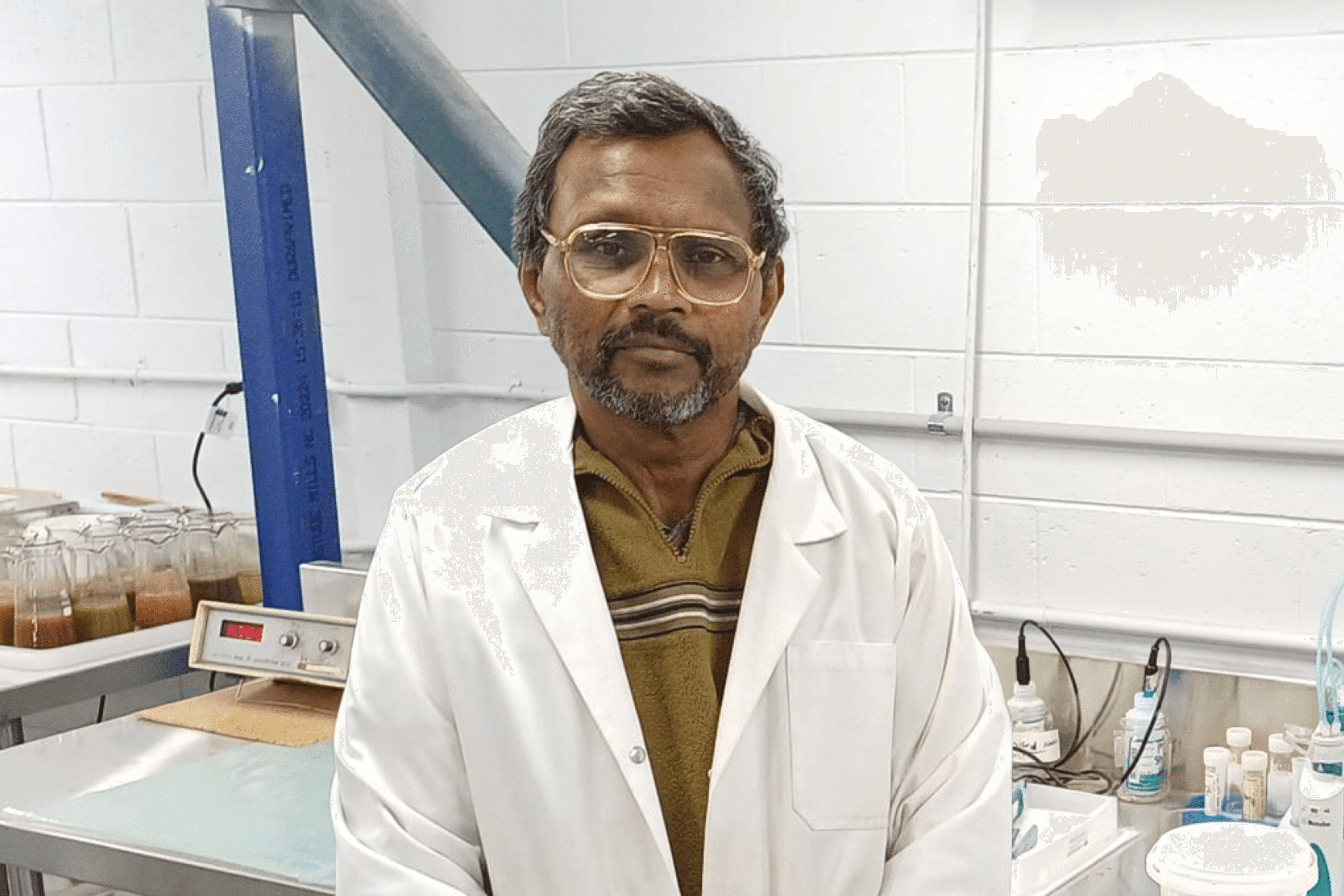
Andrew Botfield is a Principal Environmental Geochemist at EGi and Practice Lead in Western Australia




CONTACT US